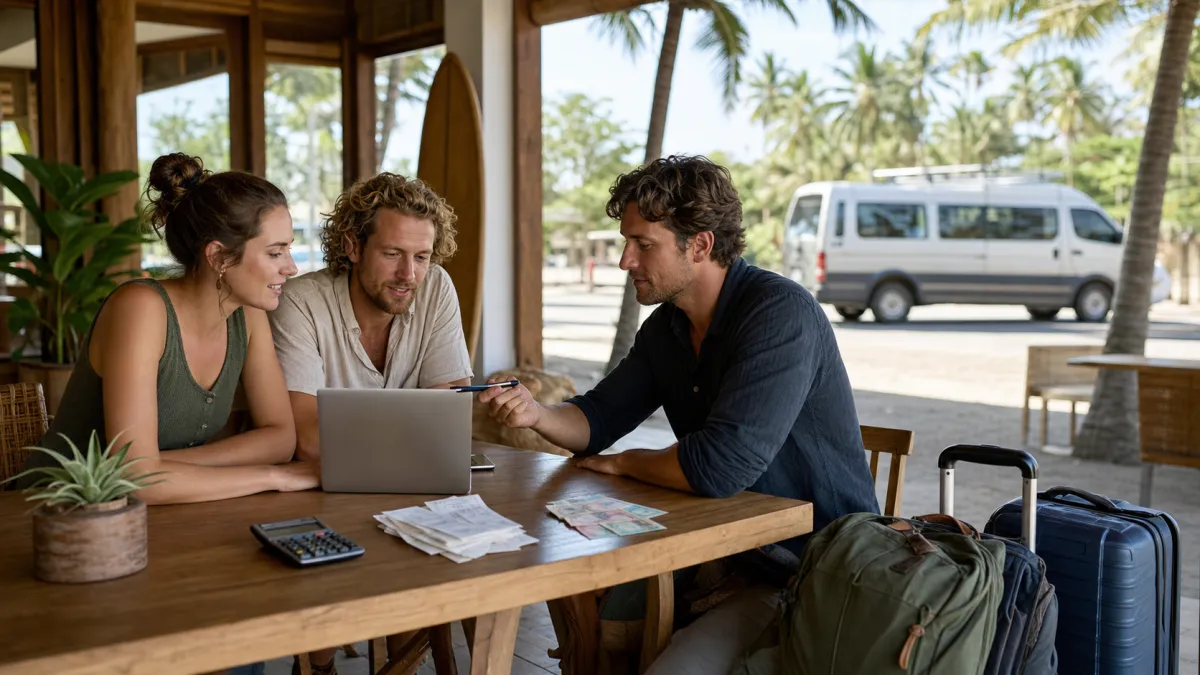

Turn Your Spanish Study Abroad Dream Into a Real Plan
Spending a few weeks or months in Costa Rica to study Spanish can feel huge and exciting, but also a little confusing. You want clear answers on money, visas, housing, and safety so you can plan with confidence, not guess and stress. That is exactly what we will walk through together here.
We will talk about real trip costs, simple visa basics, how to choose housing, and how to move around the country safely. We will also share how everyday life can look when you are learning Spanish in a friendly beach town. Our school is based in Nosara on the Pacific coast, so we will use that kind of setting as a reference point along the way.
Understanding the True Cost of Studying Spanish in Costa Rica
When people plan a Spanish study abroad in Costa Rica, they usually think first about tuition. That is one big part, but it is only one piece of your full budget. You will also want to plan for housing, food, local transport, fun activities, and weekend trips.
Here are the main cost areas to think about for a beach town like Nosara compared with bigger cities:
- Tuition and enrollment
- Housing, such as homestay, shared house, or private rental
- Meals and groceries
- Local transportation
- Activities like surfing, yoga, or tours
- Weekend trips to other regions
In smaller beach towns, daily life can feel very relaxed. You might walk or bike to class and spend afternoons at the beach. Eating at local sodas, which are small Costa Rican restaurants, can help keep food costs reasonable, while imported products and fancy restaurants add up faster. Larger cities often have more budget food choices but can feel less focused on surfing, yoga, and nature.
Seasonal timing also matters. High tourism periods, such as holiday weeks and popular vacation months, can raise prices for flights, housing, and tours. A lot of students like the middle of the year, since it often balances weather, ocean conditions, and availability. Planning a few months ahead usually helps with better options.
To make your planning easier, it helps to sketch a weekly and monthly budget with three profiles:
- Low-key, focused mainly on study, local food, and free beach time
- Mid-range, with some paid activities like surf lessons or yoga sessions
- Higher comfort, with more private space, frequent eating out, and regular tours
Once you know which style matches you, it becomes much easier to choose dates and programs.
Visas, Travel Documents, and Insurance Made Simple
Visa rules can sound scary, but the basics for a Spanish study abroad in Costa Rica are usually simple for many travelers. People from countries like the United States and Canada often enter as tourists and receive a stamp that allows a stay for a set number of days, commonly up to about three months. Your passport usually needs to be valid for a period beyond your entry date, and you may be asked to show proof of onward travel.
Because immigration rules can change, it is important to check official government sources or your airline for the latest details before you fly. If you plan to stay longer than one tourist period, some students:
- Study in blocks, like 2 to 4 weeks at a time
- Plan time outside the country when they need to reset their stay
- Keep clear records of entry and exit dates
The key is to respect all local rules so your trip feels calm instead of stressful.
We also strongly recommend good travel medical insurance.
- Coverage for basic medical care and emergencies
- Coverage for common adventure activities, such as surfing
- Clear information on how to contact the insurance from Costa Rica
Make digital and paper copies of your passport, insurance, and bank cards. Share your travel plan and school details with a trusted friend or family member, and keep important phone numbers handy.
Choosing Housing That Fits Your Budget and Learning Goals
Housing shapes your entire experience. It affects your budget, your Spanish progress, and how your days feel. Most Spanish students in Costa Rica choose one of three main options.
Homestays:
You live with a local family, often with meals included. This can:
- Give you many chances to speak Spanish every day
- Help you understand local culture and daily life
- Simplify your grocery and cooking decisions
Shared student houses:
You share a house or apartment with other learners. This usually offers more independence and a strong social feel. You may cook together, walk to class as a group, and practice Spanish with classmates.
Private rentals:
Great for couples, digital workers, or families who want their own kitchen and schedule. This option gives maximum privacy, but you will need to plan your own meals and practice Spanish more actively outside class.
No matter which style you like, ask:
- How far is the housing from the school and the beach?
- Is the Wi-Fi strong enough for your needs?
- What is the normal noise level at night and early morning?
For busy months, such as mid-year vacation periods, it is smart to reserve early. At our school in Nosara, we help match students with local hosts and housing partners that we know and trust, so they can focus on learning instead of hunting for a room.
Getting Around Safely: Transportation and Daily Logistics
Your trip starts with the airport. Many students enter Costa Rica through the international airports near Liberia or San José. Liberia is usually closer to Nosara by road, while San José may offer more flight choices from some cities. From either airport you can choose:
- Shared or private shuttles
- Rental cars
- Public buses, sometimes with a taxi or local ride at the end
Think about your budget, how much luggage you have, and how comfortable you feel driving on rural roads.
In a beach town, a lot of your daily trips might be on foot, by bike, or by simple local rides. For weekend adventures to waterfalls, volcano areas, or other coasts, a rental car can be handy if you feel confident with it, but many students prefer group tours or shared shuttles.
To keep daily logistics smooth:
- Use ATMs in well-lit, busy areas and keep cash in more than one place
- Consider a local SIM or eSIM so you can use maps and translation apps
- Learn basic Spanish travel phrases for taxis, buses, and directions
A trusted school can support you with airport transfer options, local contacts, and practical tips once you arrive.
Safety First: Smart Habits for a Stress-Free Stay
Costa Rica is known as a peaceful and welcoming place, and many students feel comfortable here. Still, smart habits help you relax and focus on learning.
Common sense safety tips include:
- Keep valuables out of sight and use safes where they are available
- Do not walk alone late at night on dark or empty roads
- Pay attention to ocean flags and local advice about currents
- Wear sunscreen, drink water often, and rest in the shade when you need to
Know local emergency numbers and where the closest clinic or medical center is located. Ask your school how they handle emergencies and what support they offer after hours. Look for a language school that has clear procedures, staff who know the area well, and strong ties in the local community. Schools like Nosara Spanish Institute also guide students on health and safety from the first day, which helps everyone feel supported on the ground.
Turn Your Costa Rica Spanish Plan Into Booked Dates
Once you understand your budget, visa basics, housing choices, and safety steps, it is time to turn your Spanish study abroad in Costa Rica from an idea into fixed dates. Start by choosing a target month and how long you hope to stay. Decide what matters most to you, such as:
- Maximum Spanish immersion
- Surf or yoga add-ons
- A relaxed beach lifestyle
- Family friendly activities
A simple planning timeline can help. Many students pick dates and start saving several months ahead, then book flights and housing a few months before arrival, and use the last weeks to confirm documents, insurance, and packing details. Mid-year often becomes a popular window both for planning and travel because of school breaks.
Here at Nosara Spanish Institute, we see how much more confident students feel when they have a clear plan for money, paperwork, housing, transport, and safety. When those pieces are in place, you can step off the plane, take a deep breath of warm ocean air, and focus on what you came for: real Spanish, real Costa Rica, and a daily life that feels both new and surprisingly natural.
Start Your Costa Rican Spanish Immersion Journey Today
If you are ready to turn classroom learning into real-world conversation, our Spanish study abroad in Costa Rica programs are the next step. At Nosara Spanish Institute, we design immersive experiences that match your level, goals, and schedule. Tell us what you want to achieve, and we will help you build a clear plan to get there. Have questions or need guidance on dates and options? Just contact us to start planning your stay.
