Trade Tourist Spanish for True Fluency Faster
Spanish immersion in Costa Rica can change how you travel, work, and connect with people. The difference between asking for a menu and having a real chat with your server is huge. One feels like tourism. The other feels like life. Most learners say they want that deeper level, but common mistakes keep them stuck in basic "tourist Spanish."
Costa Rica is a great place to push past that. Locals are friendly, used to visitors, and patient with learners. In a town like Nosara, you can surf in the morning, take Spanish class at midday, and practice with locals in the late afternoon, all in the same day. When you plan it well, every part of your daily routine can give you more Spanish.
In this article, we will walk through the most common mistakes we see learners make during Spanish immersion in Costa Rica, plus simple, realistic ways to avoid them. With a few smart changes, your weeks here can turn into real, lasting progress, not just another short trip that fades once you get home.
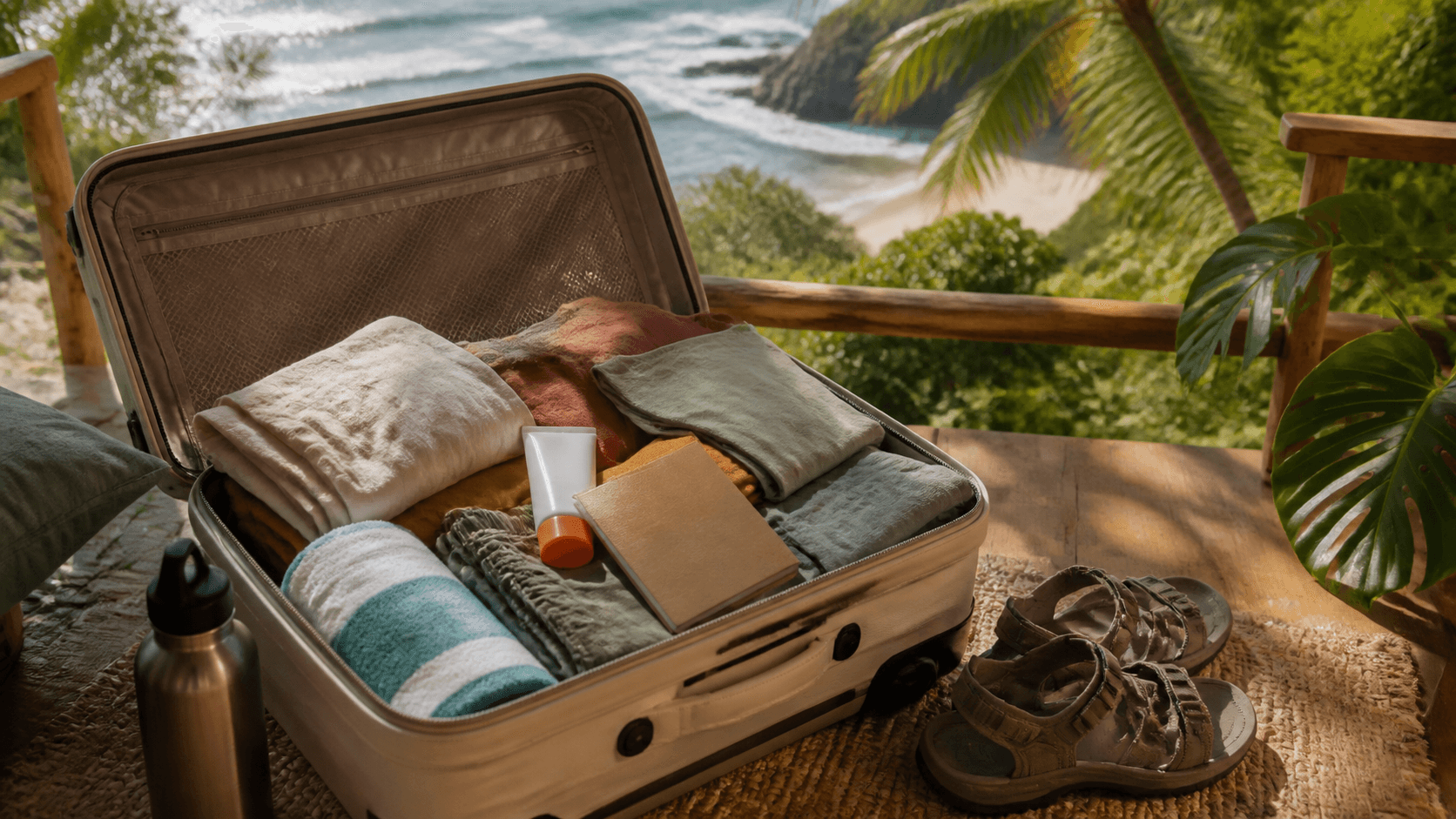
Treating Costa Rica Like a Vacation, Not Immersion
The biggest trap is easy to fall into. You land in Costa Rica, the sun is out, the beach is calling, and suddenly Spanish feels optional. You speak English at your hotel, in restaurants, and with the people you meet. You do a couple of classes, then spend the rest of the time in "vacation mode."
Even serious learners often tell themselves things like:
- I am tired after surfing; I will practice later
- Everyone here understands English anyway
- I do not want to bother people with my slow Spanish
When that happens, you lose most of the Spanish exposure you could have had. You might be physically in Costa Rica, but mentally still in English. The result is a fun trip, but not much progress.
Try flipping the script:
- Set a daily Spanish block that is non-negotiable, even 60 to 90 minutes of focused time
- Pick activities where you commit to speaking Spanish first, like surf lessons, yoga classes, or local cafes
- Track your day with two simple numbers: hours in Spanish, hours in English
This little bit of structure keeps your time here from turning into just another holiday.
Hiding Behind English Comfort Zones
Another common mistake is hiding behind people who speak English. You might travel with friends or a partner who is fluent, or you might rely on tour guides and staff who quickly switch to English. It feels safe, and it helps things move faster, but it slows your learning a lot.
Underneath this, there are normal fears:
- I will sound dumb if I make mistakes
- My grammar is terrible, they will judge me
- I do not want to slow the group down
When these fears win, you speak less. You wait for others to talk. You let someone else handle the conversation. Day after day, you miss real practice time.
Some simple rules can help:
- Create "Spanish-only" windows, for example breakfast to lunch, no English
- Tell teachers, homestay families, and friendly locals, "Please stay in Spanish with me, even if I struggle"
- Learn and rehearse key phrases for daily life: ordering food, asking directions, renting boards, chatting about the waves or the class
The goal is not perfect grammar. The goal is to let yourself be a beginner in real life, in front of real people. That is where fluency starts.
Ignoring Listening and Pronunciation Practice
Many learners love lists: verbs, nouns, phrases. Those are helpful, but if you only focus on reading and writing, real conversations in Costa Rica can feel like a blur. People speak fast, and they drop endings and use local slang. You might know the words on paper and still miss them in the air.
With Spanish immersion in Costa Rica, listening and pronunciation matter a lot. You will hear:
- Shortened words and soft "s" sounds in fast speech
- Local expressions, like "tico" phrases you do not see in textbooks
- Natural speed that feels too quick if your ear is not trained
You can train your ear and mouth with small daily habits:
- Listen to native Costa Rican content each day, even 10 to 15 minutes of radio, podcasts, etc., or YouTube
- Try "shadowing," where you repeat what a speaker says right after them, copying rhythm and intonation
- Ask a native teacher to correct your hardest sounds, like r, rr, and vowels, and practice them on purpose
- Learn survival phrases for taxis, small restaurants called sodas, and shops, then repeat them in real situations
When you give listening and pronunciation regular attention, real-life conversations become less scary and much more fun.
Choosing the Wrong Learning Structure
Some learners come to Costa Rica and think, "I will just pick up Spanish on my own," with no clear plan. Others sign up for very large group classes where they barely speak. Both paths can feel busy but lead to slow progress.
Common problems with the wrong structure include:
- Too many students, so you rarely get to talk
- No personal correction, so your mistakes stick
- A one-size-fits-all curriculum that ignores your goals
If your main goal is travel Spanish, you need different practice than someone focused on medical or business use. If you love surfing or yoga, you will stay more engaged if your lessons connect to those interests and daily routines.
A better structure often includes:
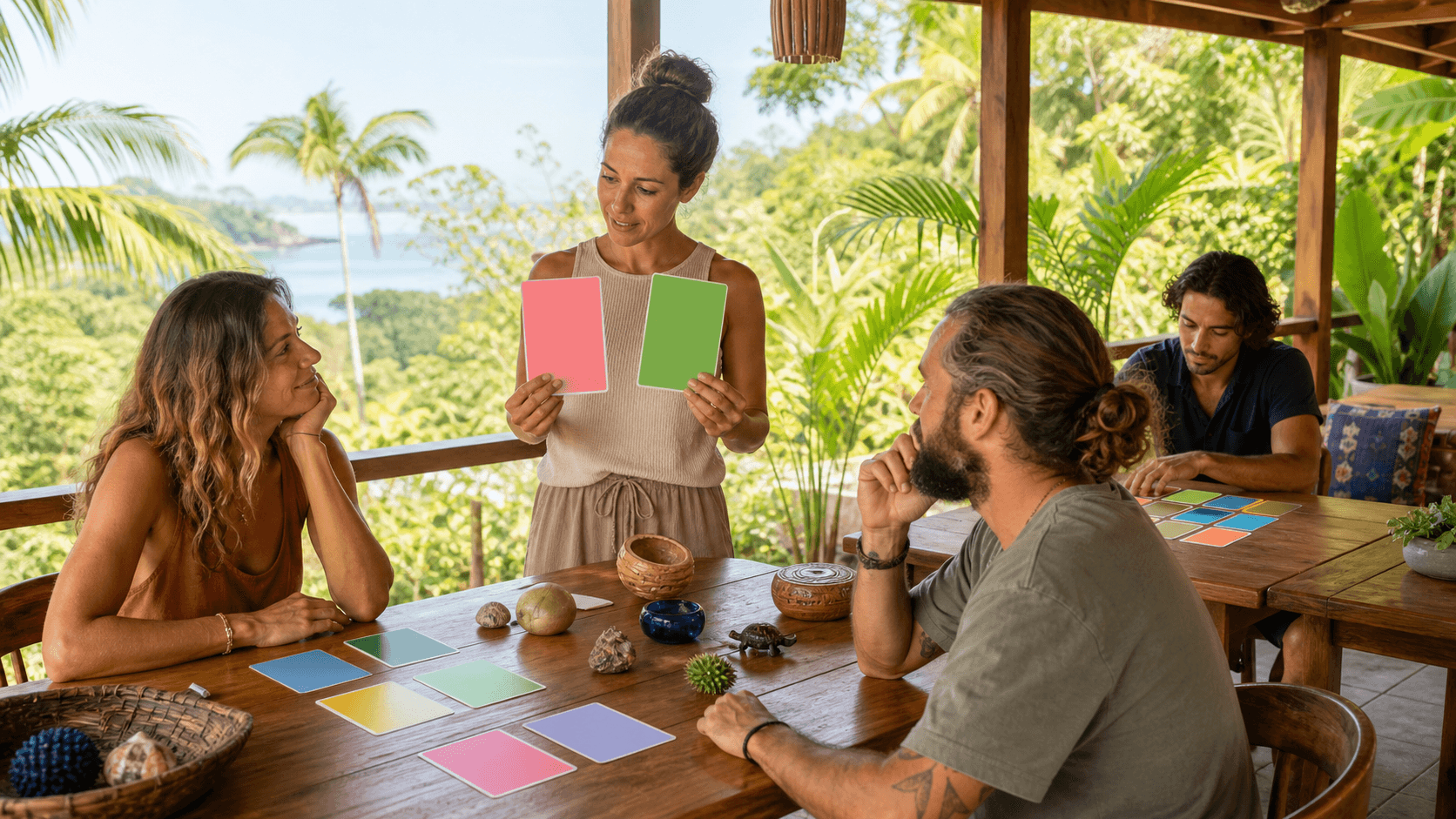
- Small groups or private classes with native teachers, so you speak a lot and get direct feedback
- Lessons that match your level and your focus, like medical Spanish or family-oriented practice
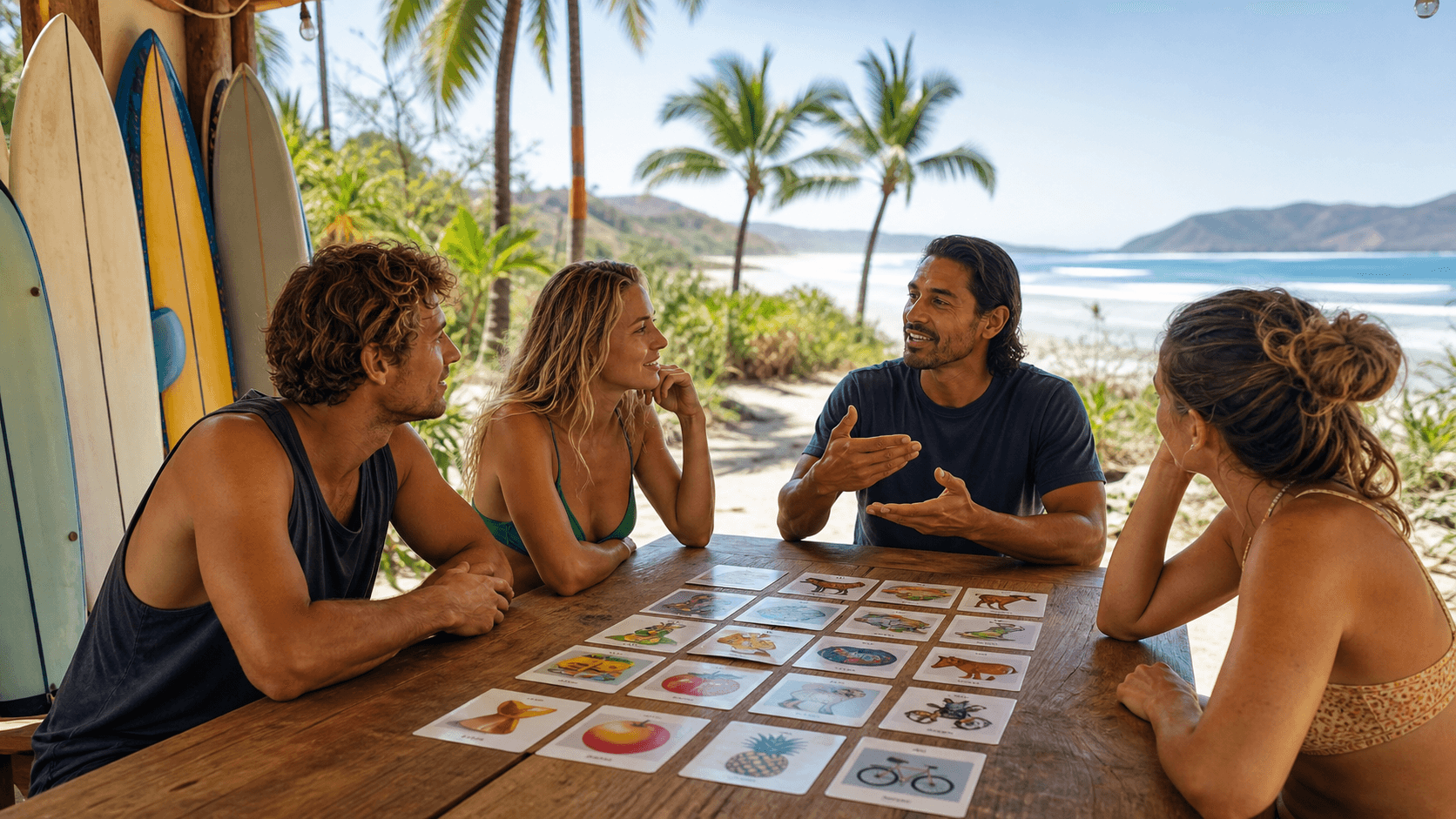
- Built-in real-world experiences, like surf and Spanish, yoga and Spanish, or family immersion, so you are not just learning in a classroom
When your classes are targeted and connected to your daily life here, every day starts to feel like a meaningful step forward, not a random mix of "a bit of Spanish" and "a lot of English."
Skipping Cultural Immersion and Homestays
If you stay only in hotels or tourist villas, your world can stay very English. Staff often switch to English right away, guests are from other countries, and daily routines do not push you to use Spanish. You might get comfort and privacy, but you lose a big part of real immersion.
Cultural immersion gives you:
- Natural chances to use Spanish in real situations
- Cultural context for words and expressions you learn in class
- Everyday vocabulary you rarely see in textbooks, like chores, local food, or small neighborhood talk
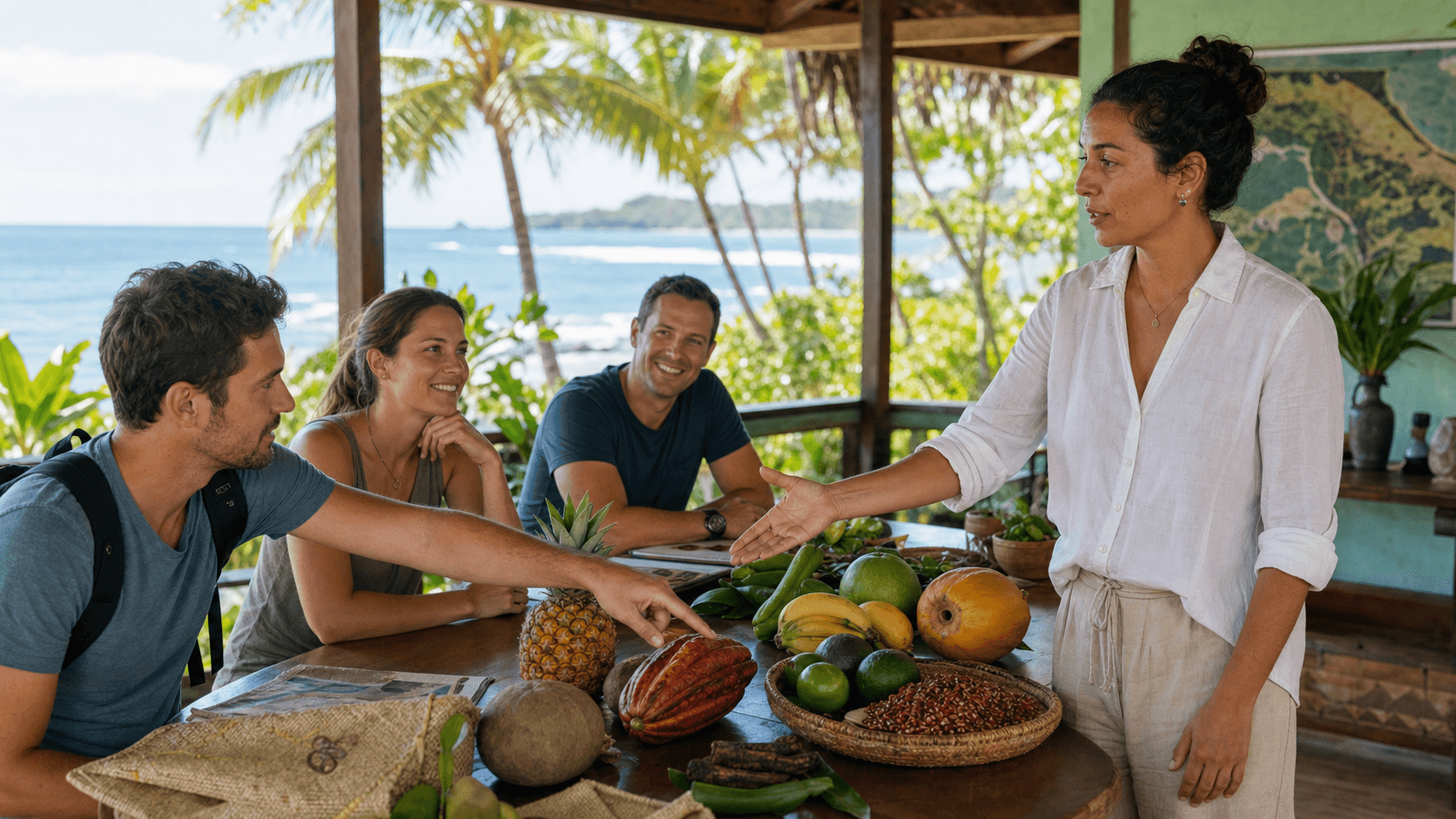
Homestays and community activities help a lot. Sharing meals with a local family, visiting the weekly market, going to a local sports game, or joining a festival changes your Spanish from "classroom only" to "real-life."
If a full homestay feels like too much, you can still:
- Join a family for regular dinners
- Pick a program where your kids or partner learn with you
- Add community activities, like volunteering or local clubs, to your week
The goal is not to give up comfort, but to add real human connection to your learning. That is where the language really sticks.
Turn Your Costa Rica Stay Into Real Spanish Gains
Spanish immersion in Costa Rica can be just a nice memory, or it can be the moment your Spanish jumps forward in a big way. The difference is not talent. It is intention. If you treat your time here like a true learning season, not only a break, your results will show.
A simple plan looks like this:
- Make a clear Spanish commitment, with set hours each day
- Choose small-group or private classes with native teachers, not just casual self-study
- Add at least one deep immersion piece, like a homestay, themed program, or regular community event
- Track your daily Spanish time and keep English from taking over
At Nosara Spanish Institute, we see how much faster learners grow when they avoid these common mistakes and use their time in Costa Rica with purpose. With small, steady choices each day, you can leave Nosara speaking Spanish that feels more natural, more confident, and much more you.
Start Your Costa Rica Spanish Journey With Confidence
If you are ready to move beyond textbooks and truly speak Spanish, our Spanish immersion in Costa Rica program is designed to get you there. At Nosara Spanish Institute, we combine small-group instruction with real-world practice so you can build confidence in every conversation. Tell us about your goals and schedule through our contact page, and we will help you choose the right immersion experience for your level.