Trade Your Classroom Walls for Ocean Waves
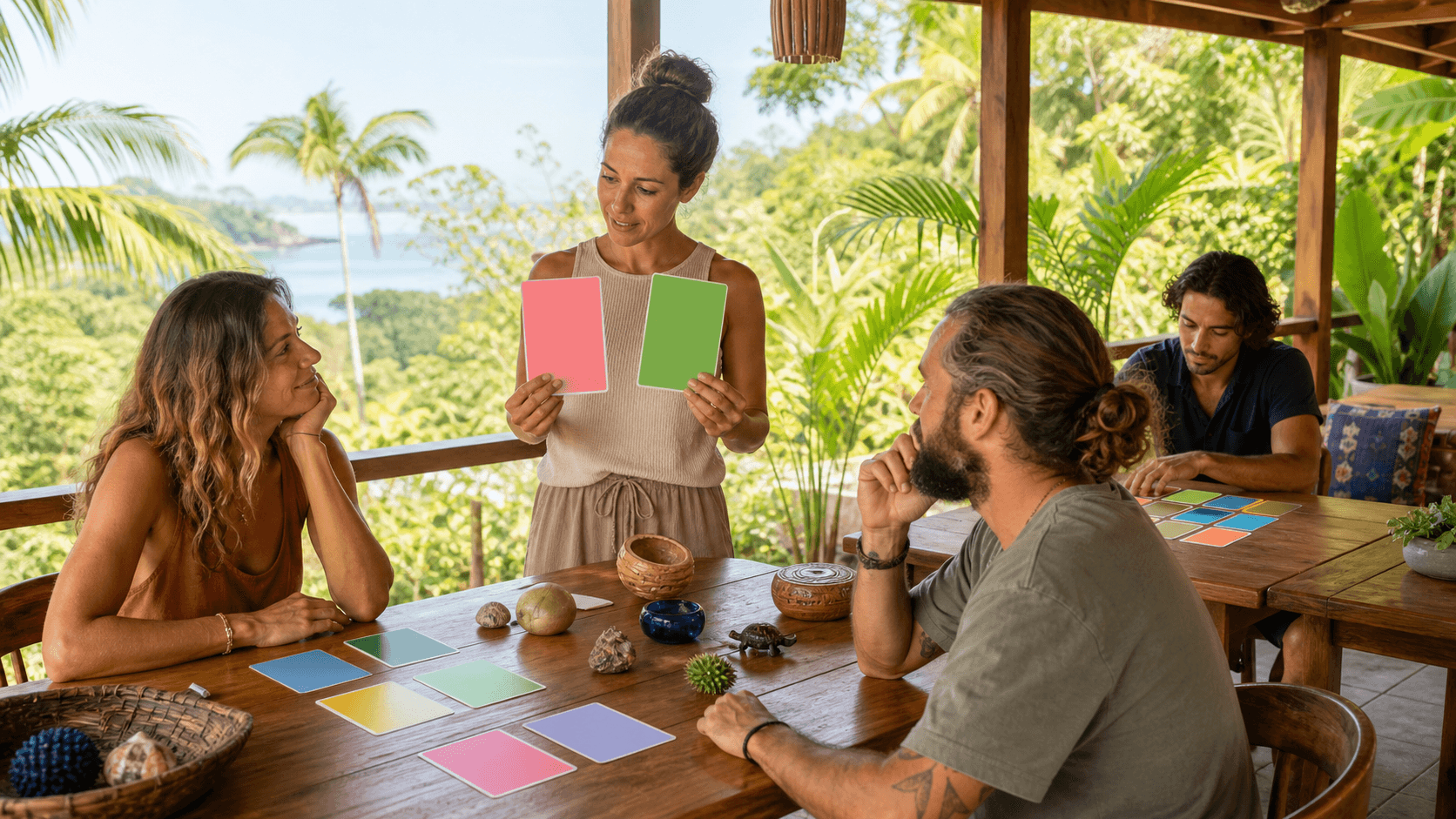
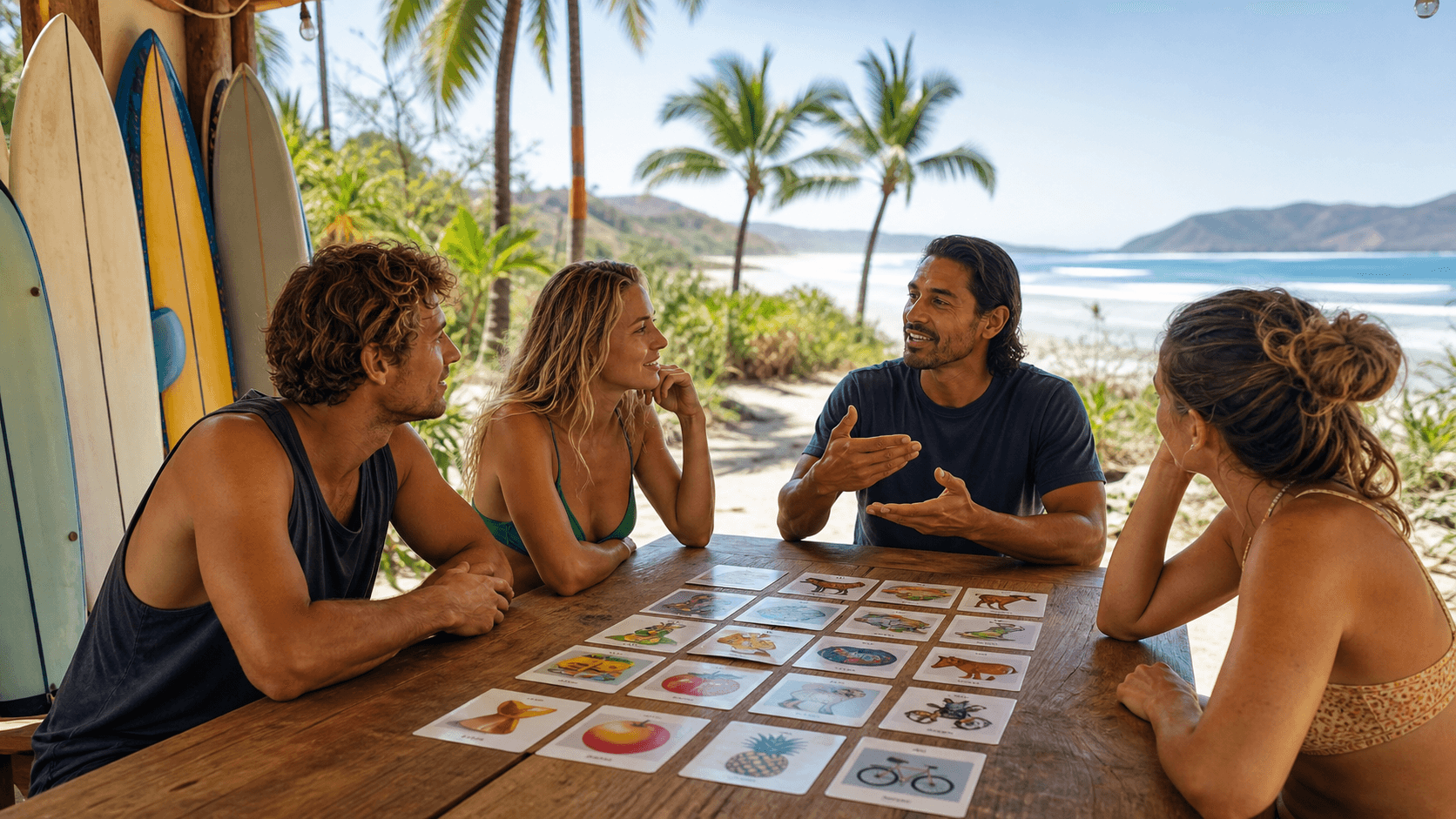
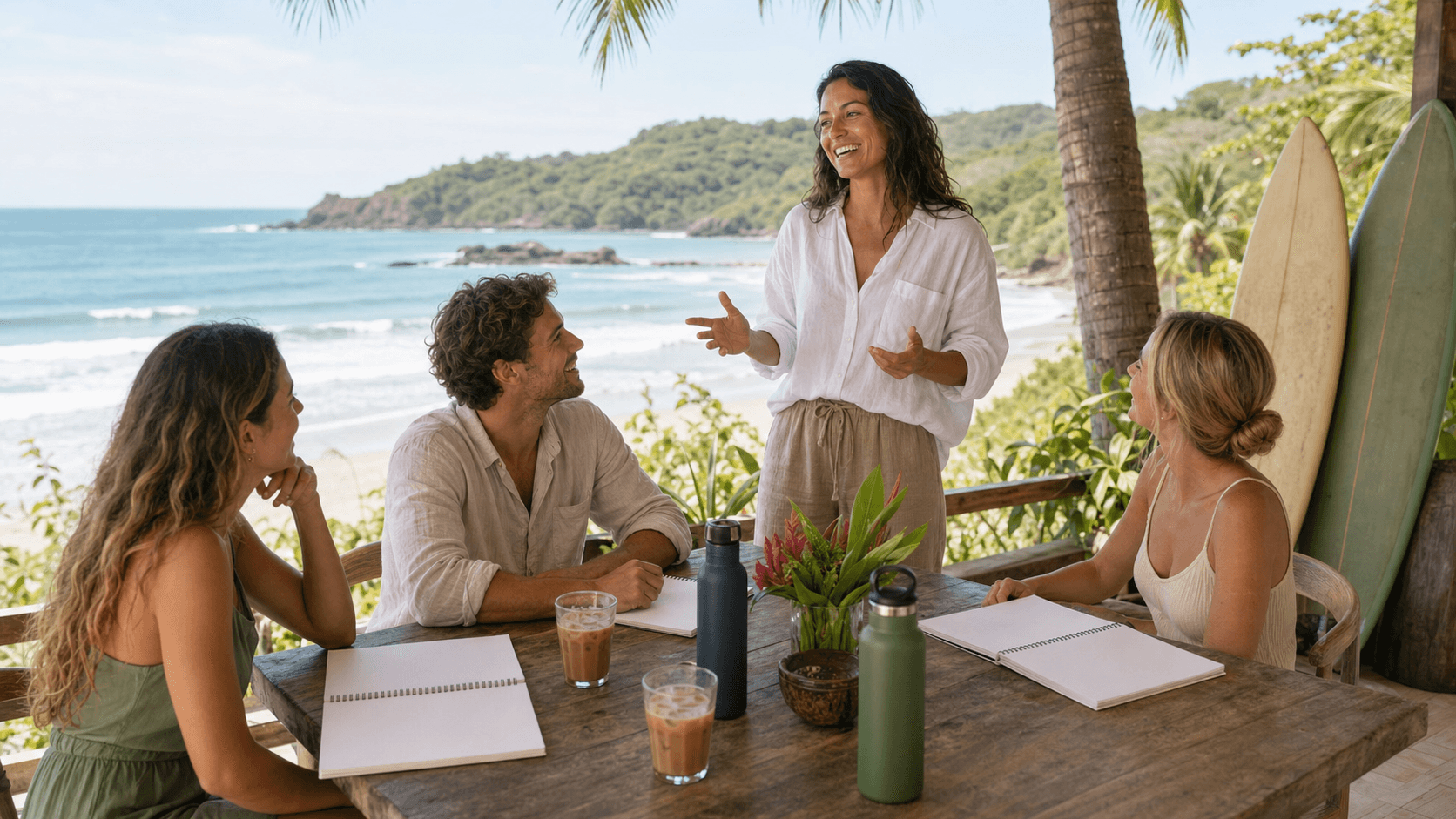
Learning Spanish does not have to mean sitting under fluorescent lights, staring at a whiteboard. You can trade that closed room for palm trees, ocean breezes, and real conversations on the sand. A Spanish school near the beach in Costa Rica lets you study in small groups or private lessons with native teachers, and then step right outside into a world where everyone is speaking the language you are trying to learn.
This kind of setting is more than just pretty views and warm weather. When you study near the beach, especially in late spring and summer, you tap into hidden benefits that help you remember more, relax more, and actually use your Spanish every single day. Let us walk through some of those surprises so you can plan a study trip that feels like a vacation but works like serious language training.
How Beachside Living Supercharges Language Retention
Our brains remember better when all the senses are involved. At the beach, you are not learning in a blank, silent box. You have the sound of waves, the calls of tropical birds, the feel of warm air on your skin, and the smell of salt in the air. All of that acts like glue for new words and grammar. A phrase you hear while you are watching the sunset can be much easier to recall later than something you only saw on a worksheet.
When your classroom is only a short walk from the ocean, it is easy to turn new Spanish into daily habits:
- Review your notes under a palm tree instead of at a desk
- Practice small conversations with locals at a beachfront soda
- Order a smoothie or snack in Spanish right after a surf session
- Repeat today's verbs while walking along the shoreline
Each of those small actions turns passive learning into active recall. You are not just memorizing; you are testing yourself in real time. That repeated, low-pressure practice helps new vocabulary move from short-term memory into long-term memory.
Late May in a town like Nosara has another quiet benefit. It is past the busiest winter travel months, so the beach and local spots are usually calmer. There is more room to talk with locals, more open space to focus, and fewer distractions pulled from crowded tourist scenes. That balance of peaceful surroundings and real-life interaction is perfect for building confidence in a new language.
Wellness Benefits That Make You a Better Student
Learning Spanish is not only about books and teachers. It is also about how your mind and body feel. Being close to the beach tends to lower stress without you even trying. Ocean views, warm water, and simple walks along the sand can melt away anxiety. When you feel more relaxed, it is easier to speak up in class, take risks with new phrases, and laugh at your mistakes.
In Nosara, there is a strong wellness culture that supports learning. Your days might start early with:
- Sunrise walks by the water
- Gentle yoga classes before morning lessons
- Fresh fruits and simple, light meals
- Early nights that leave you rested for class
Good sleep and clear focus make a big difference in how quickly Spanish sticks. Instead of dragging yourself into class tired and tense, you arrive with energy. Balancing lessons with surfing or yoga can also keep your mood high. One session in the waves or on a yoga mat can reset your brain after a long morning of thinking in a new language.
This balance is especially helpful for students who come in late May after a busy school year or a stressful work season. Many people arrive needing a reset. Having Spanish lessons alongside daily movement, time outside, and a calm beach town routine helps you decompress while still moving forward with a clear goal.
Learning That Continues Long After Class Ends
At a Spanish school near the beach in Costa Rica, the end of class does not mean the end of learning. The moment you step outside, Spanish is everywhere. You might:
- Chat with surf instructors about waves and tides
- Ask for prices or bargain a little at the local market
- Join a beach cleanup and listen to how locals talk about the ocean
- Practice small talk while you wait for your coffee or snack
Nosara is known for an international mix of visitors and residents, but Spanish is still all around. That gives you a sweet spot for practice. You get real conversations with native speakers in a place that feels safe and friendly. You can try out new phrases, ask directions, or talk about daily life without feeling judged.
Themed programs add another deep layer to this kind of immersion. When your lessons match your interests, words suddenly feel useful, not random. For example:
- Surf and Spanish programs focus on ocean, sports, and safety terms
- Yoga and Spanish weave in anatomy, movement, and wellness words
- Medical Spanish drills phrases you can use in health or care settings
By attaching vocabulary to real situations, you are more likely to remember and actually use it when you get home. It is the difference between knowing the word in theory and having it ready on your tongue when you need it.
Why the Beach Is Ideal for Families and Remote Workers
A beachside Spanish school is not only for solo travelers. It can work beautifully for families. Kids have room to move, explore, and burn off energy, which makes everyone happier. While parents join small-group or private classes, children can:
- Join age-appropriate Spanish activities
- Learn new words through games, songs, and art
- Play on the beach and practice Spanish with local kids
Instead of trying to entertain children in a city while you study, the beach becomes a giant, natural playground where language learning feels like playtime. Parents get focused study time, and kids pick up Spanish in a fun, relaxed way.
Remote workers and digital nomads also fit very well into this rhythm. A typical day might look like morning Spanish lessons, a quick surf or yoga break at midday, and then a block of focused work in the afternoon. In a small, walkable beach town, daily tasks like shopping, going to a cafe, or running simple errands can all be done in Spanish. This keeps you practicing without adding more to your to-do list.
Late May can be a smart time for both families and remote professionals. Travel feels a bit less rushed, local life feels calmer, and the ocean is warm and welcoming. That mix of steady routine and laid-back beach time gives everyone, from young kids to busy adults, the space to breathe and learn.
Turn Your Next Beach Trip Into a Spanish Breakthrough
A beach vacation and serious Spanish progress do not have to be two separate trips. By choosing a Spanish school near the beach in Costa Rica, you blend them into one powerful experience. You still get sunsets, long walks on the sand, and time in the water, but every day also moves you closer to real, confident Spanish.
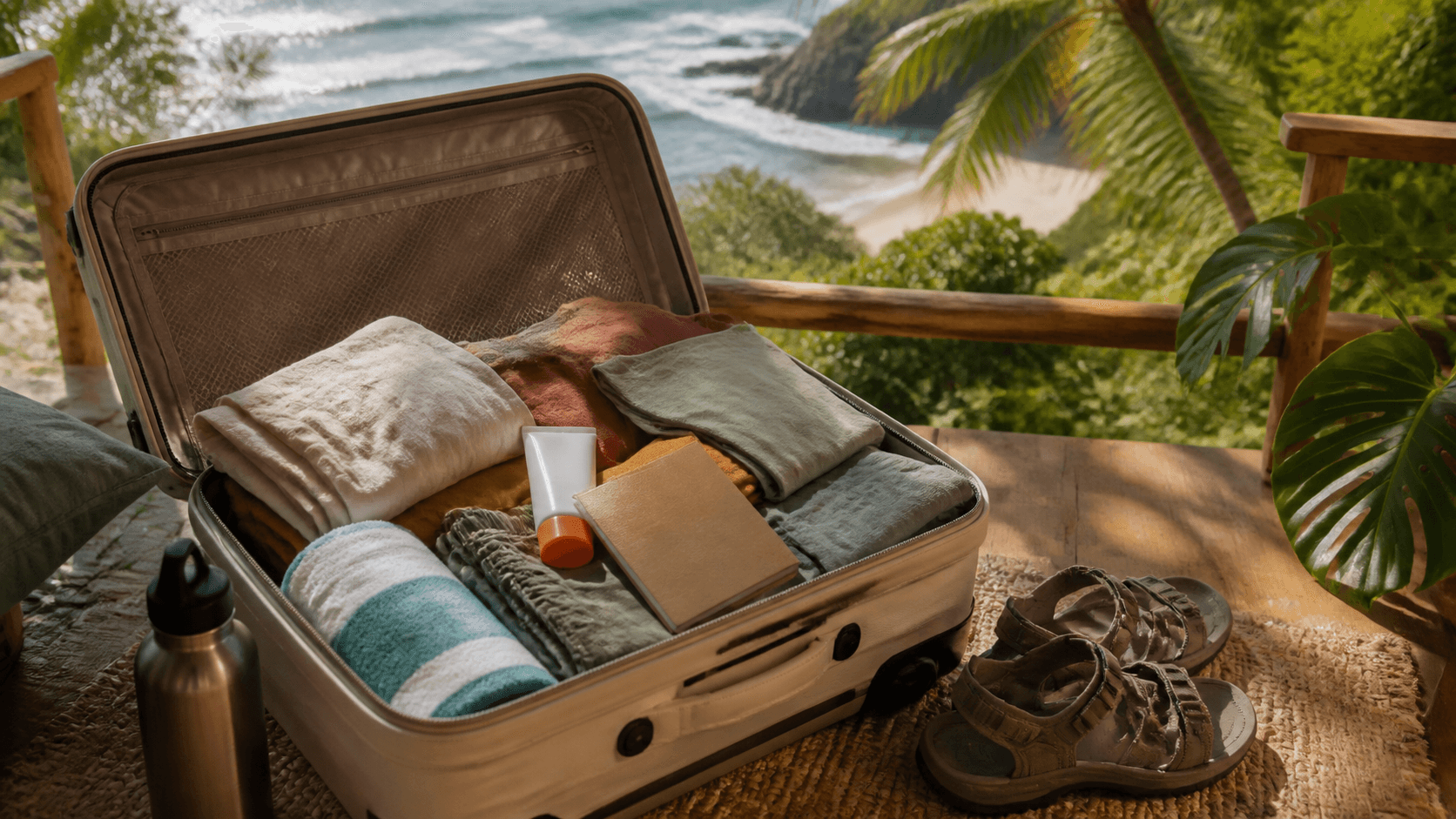
At Nosara Spanish Institute, we see how quickly students grow when the classroom is just a short walk from the waves. With small-group and private options and themed programs like surf, yoga, medical, and family Spanish, you can shape your stay around what matters most to you. Pack your notebook and your swimsuit, choose late spring or summer dates that fit your schedule, and let the beach help turn your Spanish goals into real-life skills.
Start Your Costa Rican Spanish Adventure By The Ocean
If you are ready to combine language learning with warm water, palm trees, and daily conversation practice, our Spanish school near the beach in Costa Rica is the ideal place to begin. At Nosara Spanish Institute, we design classes and cultural experiences that fit your goals, whether you are staying for a week or several months. Reach out through our contact page so we can help you choose the right program and dates.