A Spanish homestay in Costa Rica can turn regular language classes into real-life. You are not just studying verbs on a page. You are waking up to Spanish, eating in Spanish, laughing in Spanish, and slowly thinking in Spanish. For many students, this is the difference between shy textbook knowledge and easy, natural conversation.
In Guanacaste, homestay life has its own flavor. The ocean air, the sound of roosters, and the relaxed rhythm of a beach town all shape your days. In this article, we will walk through what daily life looks like, how to handle cultural habits, what to expect in terms of comfort and safety, and how to choose the right homestay for your goals.
Wake up Tico-Style in Guanacaste
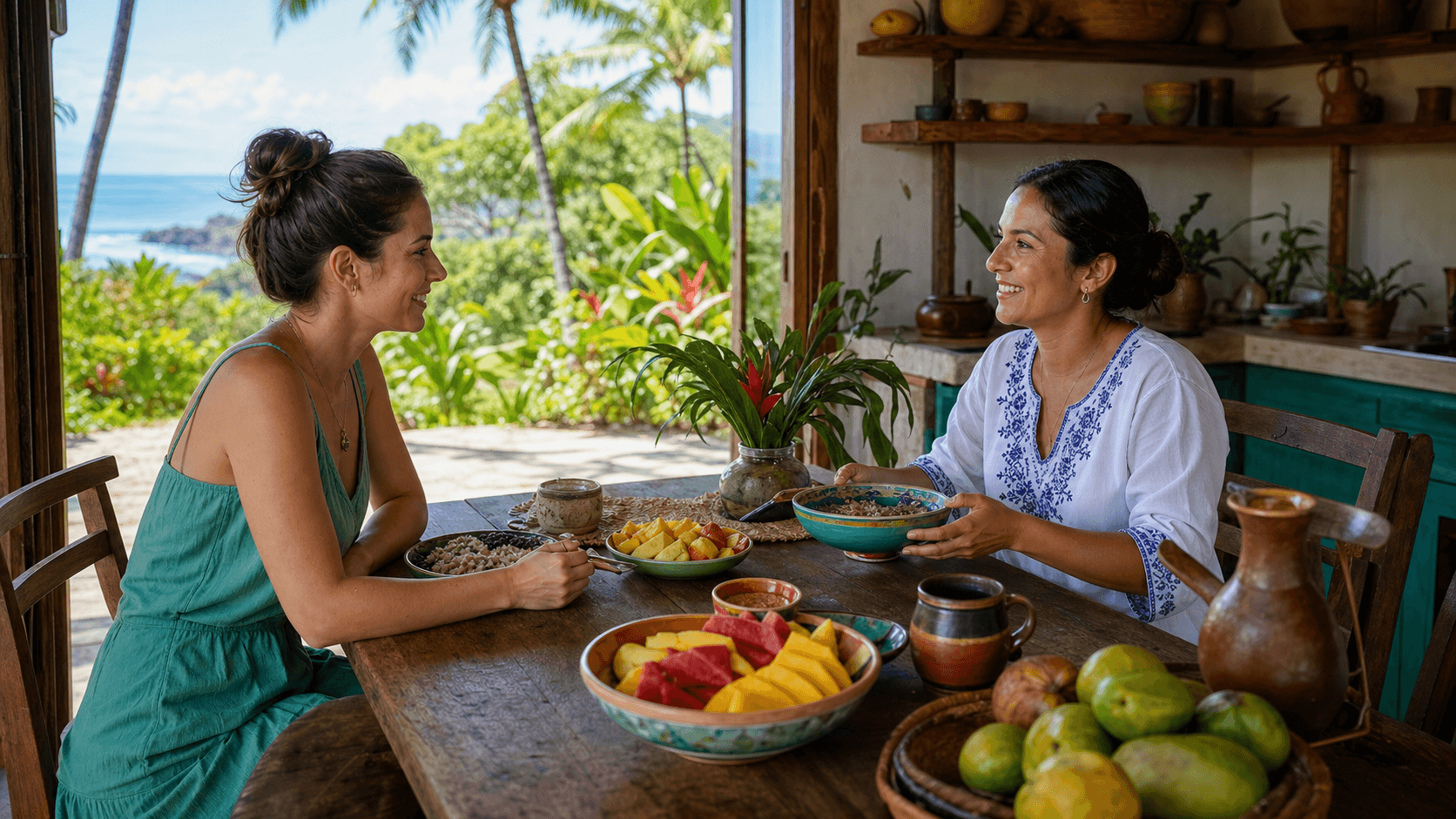
Morning in a homestay usually starts early. You might hear birds, a distant rooster, and the low hum of the town waking up. The smell of fresh coffee drifts from the kitchen. At the breakfast table, you hear Spanish chatter, clinking plates, and maybe a radio playing soft music.
A Spanish homestay in Costa Rica means you live with a local family instead of staying in a hotel or hostel. You get:
- A private room in a family home
- Shared meals, usually breakfast and sometimes other meals
- Daily chances to talk with native speakers
- A look into real-life everyday life, not only tourist spots
This setup is different from shared student housing, where you might end up speaking your own language most of the time. With a host family, you are gently pushed to speak Spanish, even when you are tired or shy. In Nosara, families that host language students are used to helping people at all levels, from nervous beginners to advanced speakers.
A Day in the Life of a Homestay in Guanacaste
A typical day has a simple, steady rhythm. Morning starts with:
- Gallo pinto, eggs, and fresh fruit like papaya or pineapple
- Strong Costa Rican coffee or fresh juice
- Friendly small talk about the day, the waves, or the weather
You might ask how to say a new word, or your host might correct your pronunciation in a gentle way. These small talks add up fast.
After breakfast, many students:
- Walk or bike to class at a nearby Spanish school
- Spend a few hours in small-group or private lessons
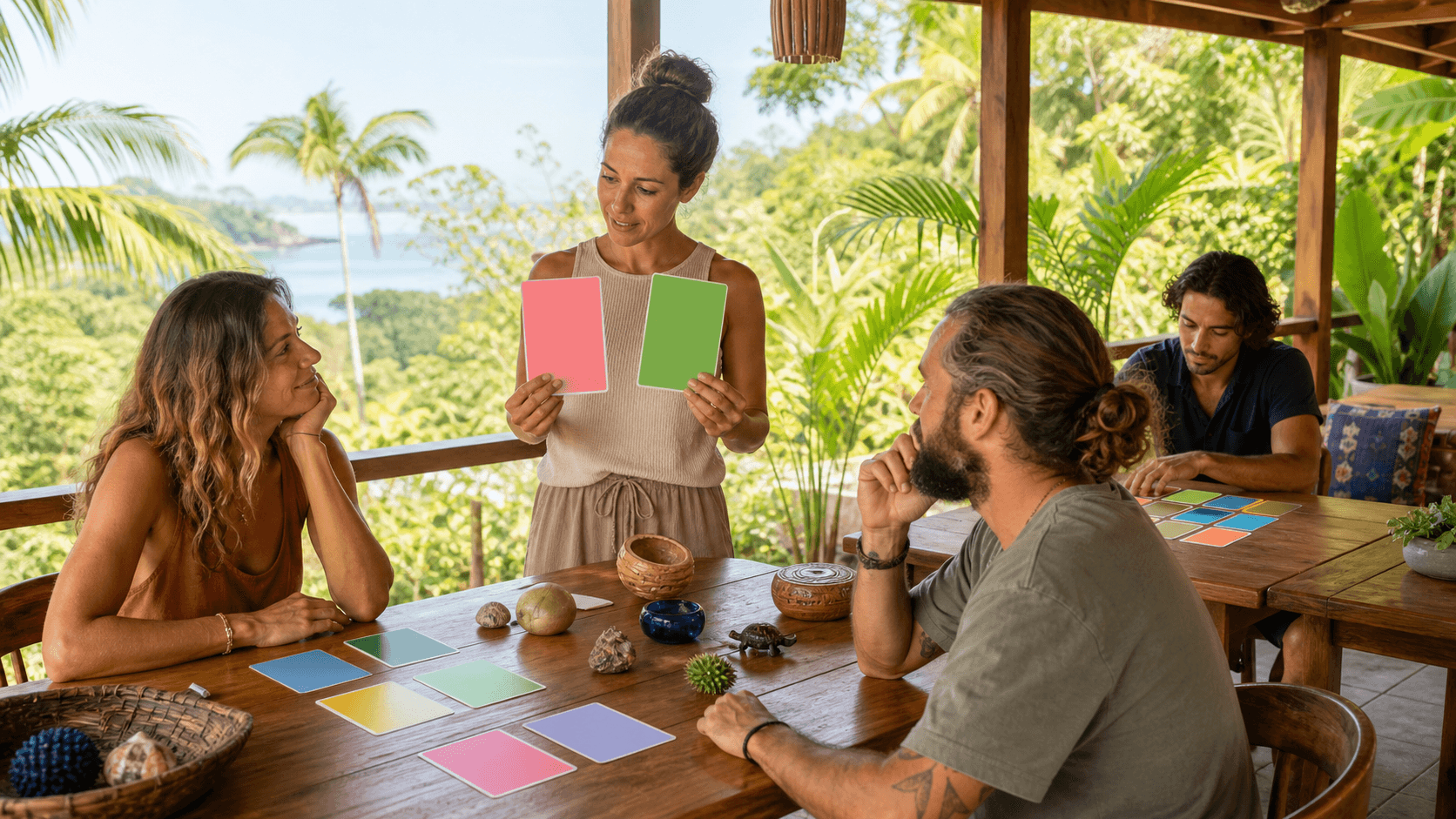
- Practice listening, speaking, reading, and writing in a focused way
Midday can go a few ways. Some students return home for a traditional lunch with rice, beans, salad, and a simple protein. Others might grab a smoothie or a casado at a local soda, then meet their host family later.
Afternoons and evenings often include:
- Beach time, surfing, or yoga
- Homework at the kitchen table
- Watching TV, soccer games, or telenovelas in Spanish
- Relaxed talks on the porch or in the living room
The real magic is the constant exposure to everyday Spanish. You hear jokes, slang, and family stories. You learn how people actually speak outside of class. That mix of structure in class and relaxed practice at home is what makes a Spanish homestay in Costa Rica feel both exciting and safe.
Cultural Immersion and Etiquette with Your Host Family
In Guanacaste, family life is warm and welcoming. Mealtimes matter. You are usually treated less like a hotel guest and more like an extended family member. That feels special, but it also comes with a few simple manners.
Good habits include:
- Saying buenos días, buenas tardes, and buenas noches to everyone
- Offering to help clear the table or rinse dishes
- Respecting quiet hours, especially at night and early morning
- Asking before bringing friends over
If you have dietary needs, such as being vegan or gluten-free, it is best to share them clearly. Simple Spanish and a friendly attitude go a long way. Many host families are used to different diets and can adjust within reason.
Language gaps are normal. You might not know how to say something, or you might mix words up. That is part of learning. Gestures, simple phrases, and patience keep things light. Most families are used to students at many levels, so they speak a bit slower, repeat things, and help you find the right words.
Cultural experiences often grow naturally out of daily life. You might learn to:
- Make tortillas or gallo pinto in the kitchen
- Join a local fútbol game or watch one on TV
- Visit a nearby market, beach, or small town together
- Take part in local celebrations or events if the timing fits
If you are introverted, you can still enjoy a homestay. Clear communication about when you need quiet time helps. Schools that work closely with host families can support good matches, taking into account allergies, food choices, and personality.
Comfort, Safety, and Costs in a Guanacaste Homestay
Most homestay rooms in Nosara are simple and comfortable. You can usually expect:
- A private bedroom with a bed, basic furniture, and a fan
- Shared or sometimes private bathroom
- Wi-Fi in the house
- Clean linens and a place to put your clothes
Air conditioning may or may not be available, so a fan and light clothing help with the warm, humid climate. Laundry options vary. Some families include it as part of the stay, others charge a small fee or suggest a local laundry service.
Nosara has a laid-back beach town feel. Vetted host families help add another layer of safety. Good habits still matter, such as:
- Keeping passports and valuables in a safe place
- Not walking alone too late at night in very quiet areas
- Learning trusted taxi numbers or using known drivers
- Knowing how rainy season can affect roads and paths
In June, Guanacaste is in the rainy season. Mornings are often bright and sunny, with showers more likely in the afternoon or evening. For many students, this pattern works well: classes or surf early, rest or homework during the rain, then calm evenings.
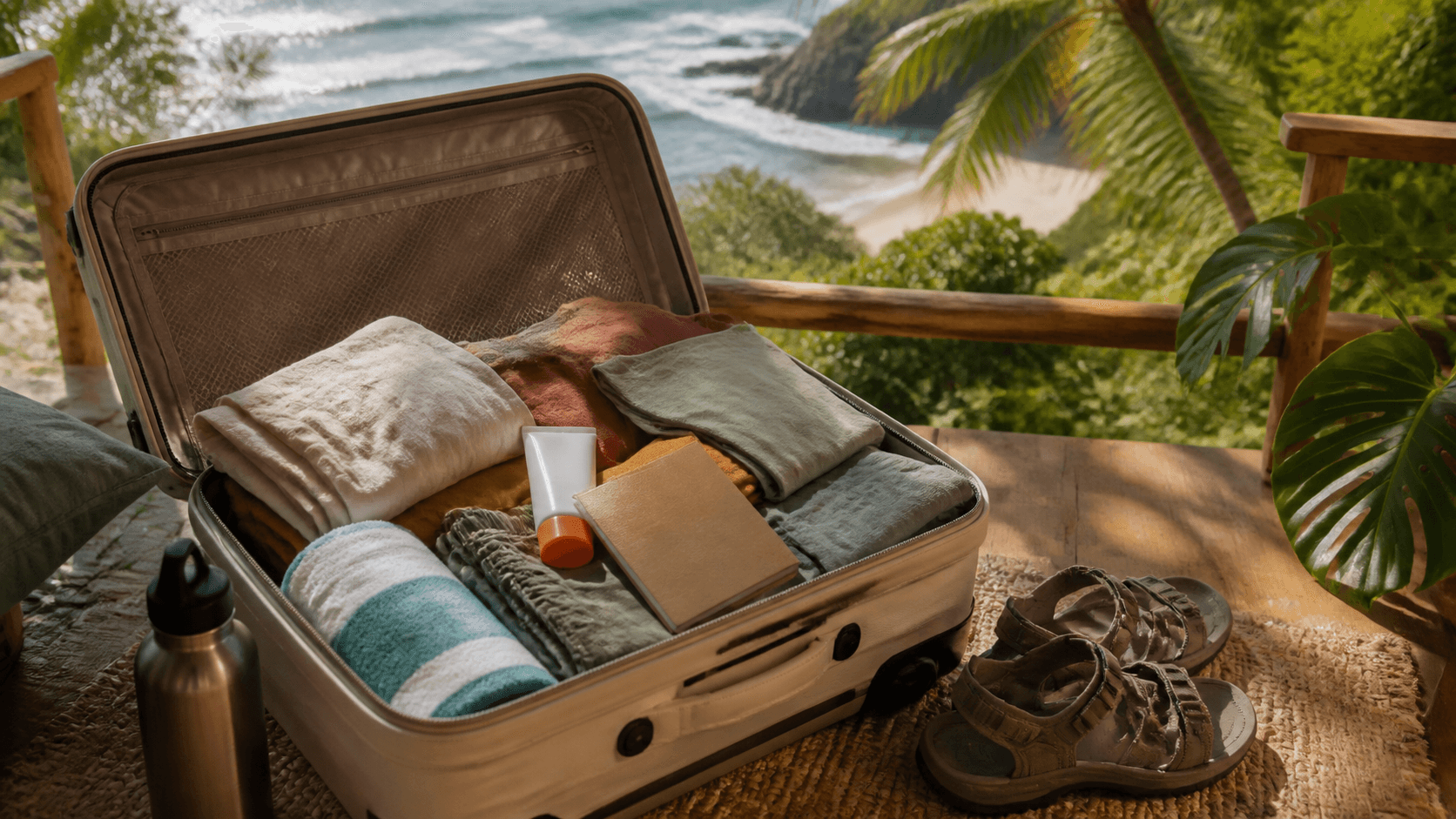
Helpful items to pack include:
- A light rain jacket or poncho
- Quick-dry clothing
- Sandals and one pair of closed shoes
- A small umbrella and a dry bag for electronics
Pairing Homestays with Surf, Yoga, and Specialty Programs
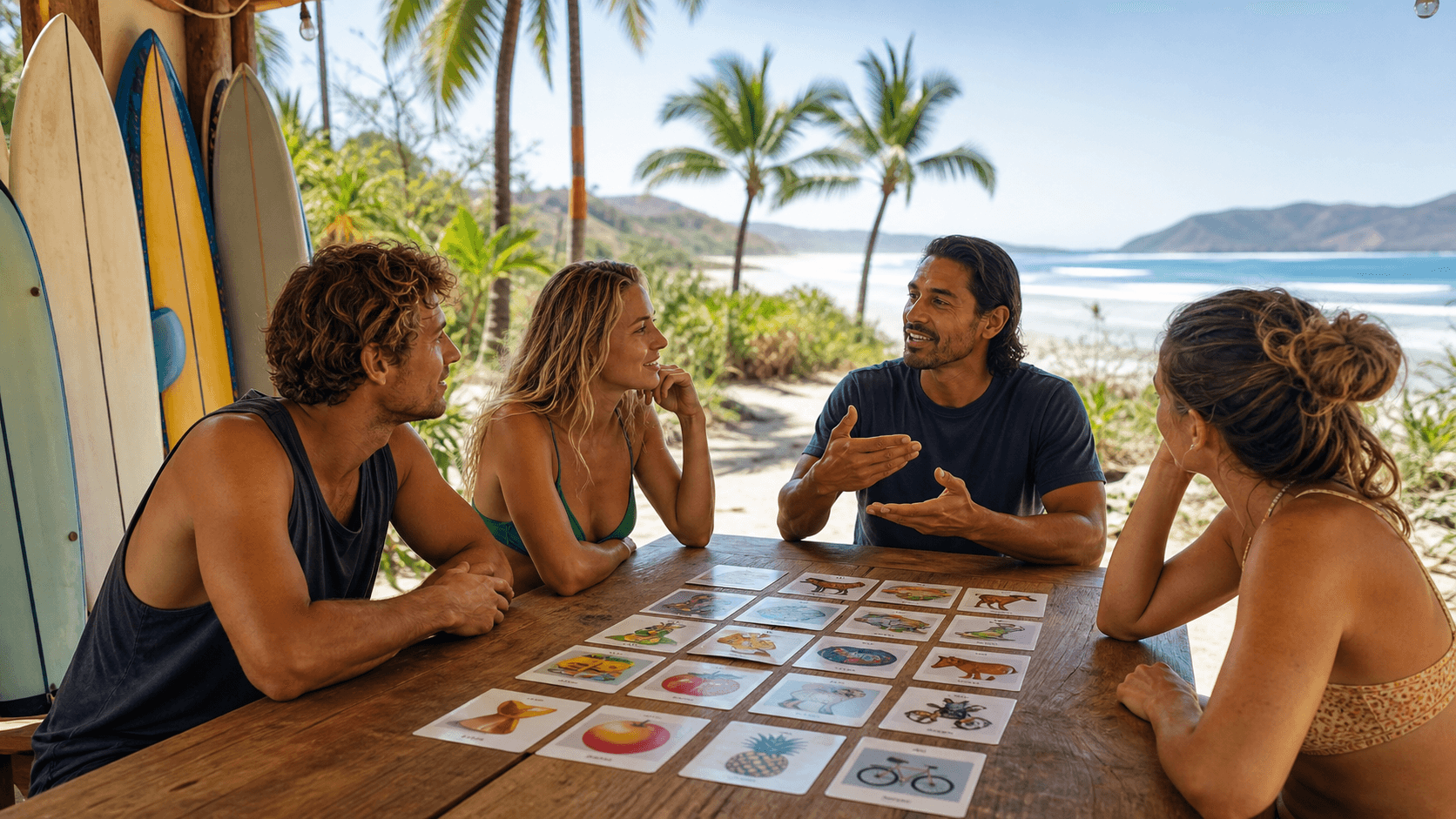
Living with a local family fits well with active programs like surf and yoga. Early breakfasts make it easier to catch dawn patrol or a quiet morning class. On the way out the door, you might chat in Spanish about the size of the waves or how strong the sun feels. When you come home later, you get to share stories of your wipeouts or new poses in Spanish.
Some students also choose specialty Spanish options, such as:
- Medical or healthcare-related Spanish
- Professional or business-focused lessons
- Family immersion, where kids and parents learn together
Weekend and free-time options around Nosara can include:
- Visiting different beaches with calmer or stronger waves
- Turtle nesting sites during the right season
- Short trips to waterfalls or national parks
Host families often know small, local spots that are not on big tourist lists. They might recommend a certain soda, a quiet beach entrance, or the best time of day to walk a nearby trail. The mix of Spanish in class, at home, and in active settings such as the ocean or yoga studio gives you strong memory hooks. Vocabulary connects to real moments, not just flashcards.
How to Choose Your Ideal Spanish Homestay in Costa Rica
Before you book, it helps to be clear on what you want from a homestay. Ask yourself:
- Do I prefer a quiet home or a very social one?
- Is it more important to be close to the beach, to school, or both?
- Am I comfortable in a home with kids or pets?
- How flexible do I need meals to be?
Good questions for a future host or school coordinator include:
- How strong is the Wi-Fi in the house?
- How many meals are included, and at what times?
- Is laundry included or is there a small charge?
- Are there any house rules about coming home late?
- Has the family hosted international students before?
A thoughtful matching process looks at your Spanish level, lifestyle, and any medical or food needs. Before you arrive, it is smart to pack:
- Light clothing for warm, humid weather
- A basic phrasebook or language app
- A reusable water bottle
- A small, thoughtful gift from your home country
Setting simple expectations helps everyone. You can share if you like quiet reading time before bed, if you work remotely some hours, or if you tend to wake up very early. If something feels off once you arrive, most schools can talk with both you and the family. In rare cases, a change of homestay can be arranged so everyone feels comfortable.
Take the Leap Into Homestay Life in Nosara
A Spanish homestay in Costa Rica offers more than a place to sleep. It brings faster, more natural language growth, deeper cultural understanding, and memories that go far beyond tourist snapshots. In June, Guanacaste feels especially alive, with lush hills after the first rains, warm ocean water, and cozy evenings at the family table.
When you picture your trip, you might see surfboards on the porch, a plate of fresh mango slices, and the sounds of Spanish floating through the house at night. Over time, those sounds start to feel like home. Many students find that their favorite part of their stay is not just the views, but the friendships and easy conversations they build in their Costa Rican home away from home with Nosara Spanish Institute supporting their experience.
Immerse Yourself In Real-Life Spanish Practice In Nosara
Experience authentic daily conversation, local culture, and personalized instruction with a Spanish homestay in Costa Rica through Nosara Spanish Institute. We will help you match with a welcoming host family and design a learning plan that fits your goals and schedule. If you have questions about availability or which program is right for you, contact us and we will guide you through the next steps.