Make Your Costa Rica Trip More Than Just Sightseeing
A trip to Costa Rica already sounds amazing. You might think of long days on the beach, jungle tours, and trying to stand up on a surfboard for the first time. All of that is great, but there is a big difference between passing through a place and actually feeling part of it. Language is often what makes that difference.
When you add even a short-term Spanish course in Costa Rica to your plans, your whole visit can change. Ordering food feels easier, chats with locals last longer, and you get small daily moments that you would miss in English. Instead of only seeing the country, you start to connect with the people who live there.
Nosara, a relaxed surf town on the Pacific coast, is perfect for this. It has beautiful beaches, friendly locals, and a slow, easy rhythm that makes learning Spanish feel natural, not stressful. In this guide, we will share how a little Spanish can transform your trip, what a short course looks like, and how to plan a stay that blends study, surf, and the local way of life.
Why a Short-Term Spanish Course Changes Everything
You do not need months of study to feel a real change. With one to two weeks of focused Spanish, many travelers can handle daily tasks that used to feel awkward or stressful. That might look like:
- Ordering meals and knowing what you are actually getting
- Asking simple questions, like where the bus stop is
- Confirming tour times and details without guesswork
- Explaining what you need at a hotel, supermarket, or rental office
Small wins like these add up. When you can ask and understand basic things on your own, you feel more confident. That confidence grows even more in smaller beach towns and rural areas, where English is not used as much as in big tourist spots. Instead of staying silent or only talking to other visitors, you start to join in.
Learning Spanish while you are in Costa Rica also feels different from studying at home. You are surrounded by the language on billboards, menus, and conversations on the street. You hear real accents and everyday slang. You can step out of class and practice right away with the person making your smoothie or the driver picking you up.
For summer travelers, taking a short-term Spanish course in Costa Rica can be a smart way to use vacation time. You get a real break from your normal routine, but you also come home with a new skill. Your beach days, jungle hikes, and sunset views are still there, now with an extra layer of meaning.
How Spanish Unlocks Authentic Costa Rican Experiences
Basic Spanish will not make you sound like a local, and that is okay. It will open doors you might not even see yet. With a few phrases, you can:
- Chat with a surf instructor about the best time of day for waves
- Joke with the barista while you wait for your coffee
- Ask a taxi driver about their favorite beach or viewpoint
- Learn what "the local way of life" means in real conversations, not just on T-shirts
Once locals see that you are trying to speak Spanish, many will respond with patience and kindness. People often slow down, use simpler words, and cheer you on. This creates a loop: you try, they help, you learn faster, and you feel braver the next day.
Language also helps you find more local spots, like:
- Small, family-run, local restaurants with homemade dishes
- Smaller, less crowded beaches a short walk or drive away
- Community events, surf contests, or local fairs you hear about in Spanish
There is also a respect side to this. When you try to speak the local language, even with mistakes, it shows that you care about the culture you are visiting. You can ask deeper questions about daily life, traditions, and the nature around you. In Nosara, where locals, expats, and travelers mix every day, this mix of languages creates a friendly, low-pressure space for practice, especially in the green season around June when things are a bit calmer.
What to Expect From a Short-Term Course in Nosara
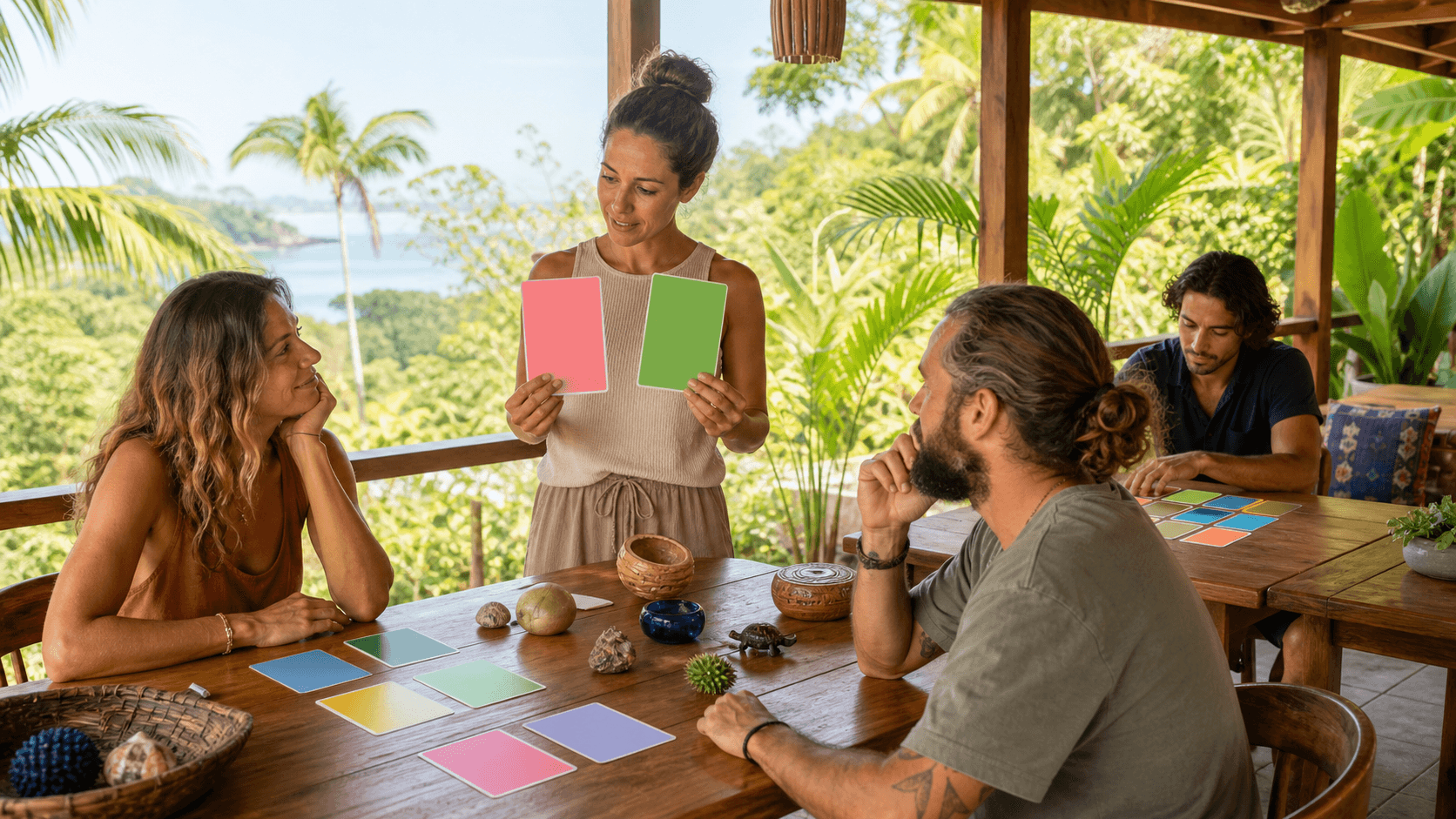
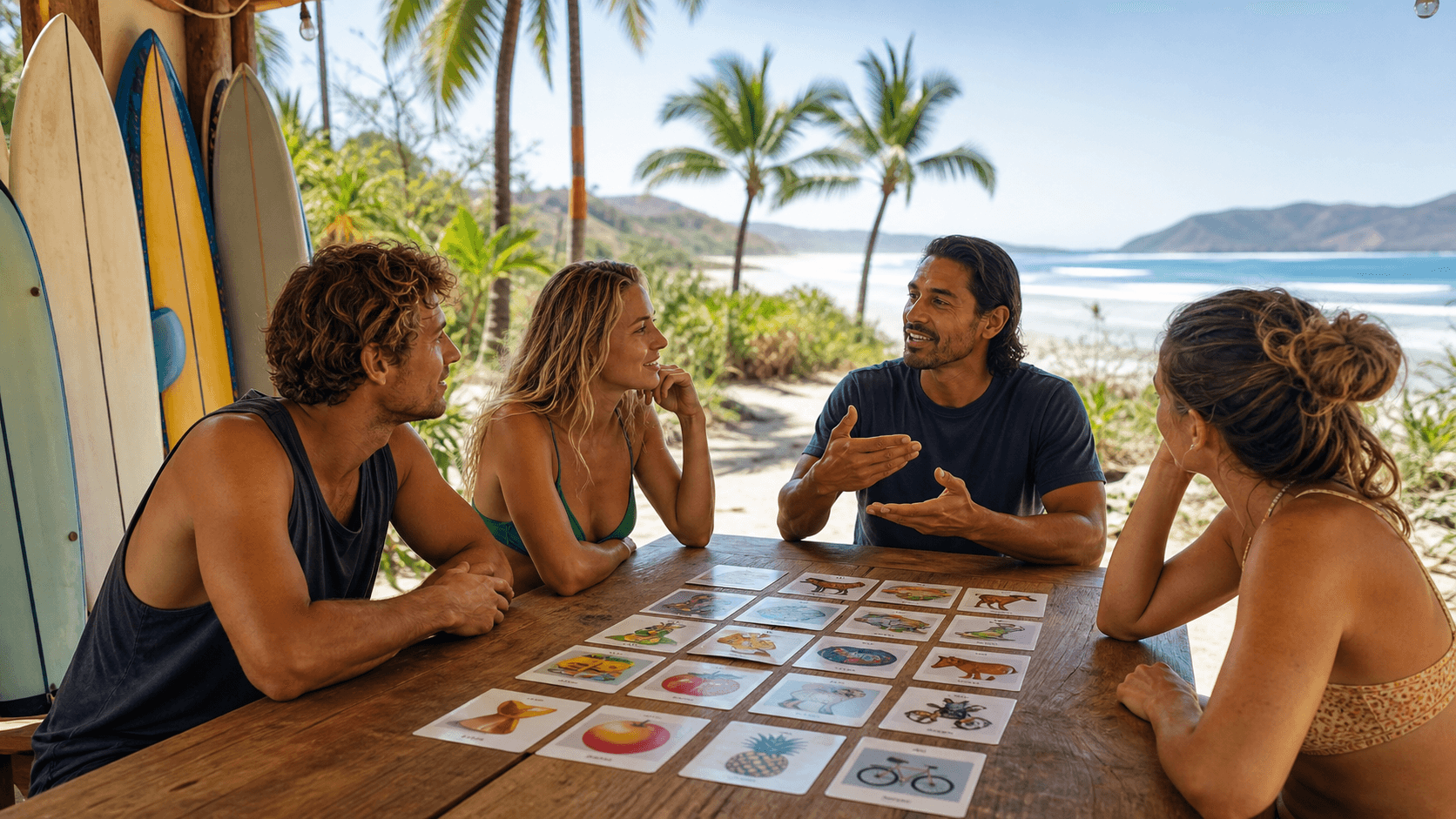
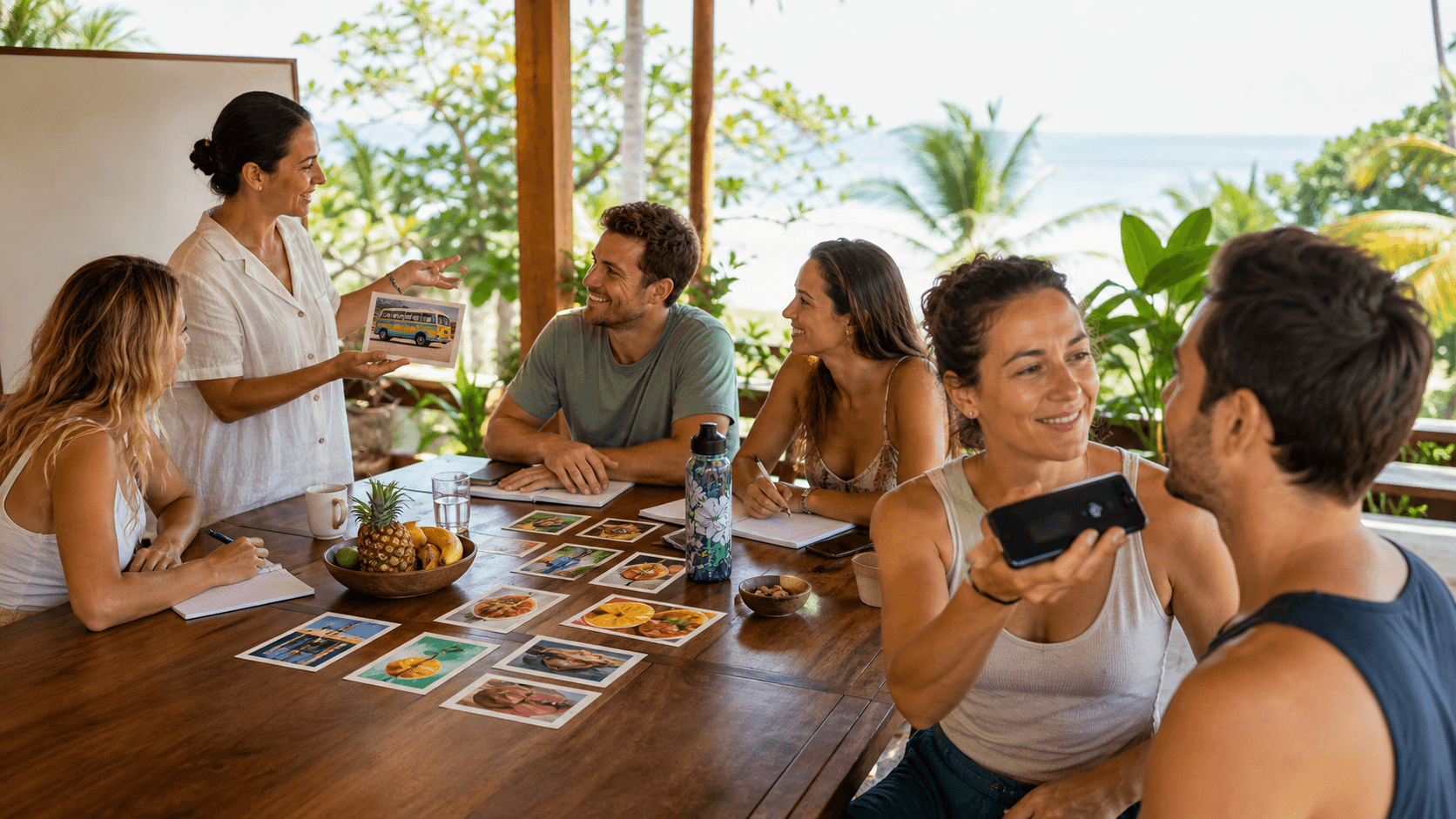
So what does a week or two of Spanish study in Nosara actually look like? At Nosara Spanish Institute, a typical day usually starts with class in the morning, when your mind is fresh and the air is still cool. You might choose:
- A small-group class, where you learn with a few other students
- A private class, if you prefer one-on-one attention
Classes focus on communication, not long grammar lectures. You practice the Spanish you actually need as a traveler, like:
- Ordering at a restaurant and paying the bill
- Shopping at a market and asking about prices
- Getting around, from taxis to buses and shuttles
- Simple small talk, so you can break the ice with locals
Role-plays and real-life situations are a big part of the lessons. You may pretend to book a tour, check in at a hotel, or plan a bus route, all in Spanish. This way, when the real situation comes, your brain already has a map.
Groups stay small, so your teacher can learn your goals and pace. Total beginners get clear, simple building blocks. More advanced speakers can polish their grammar, expand vocabulary, and work on fluency.
Afternoons are usually free for you to enjoy Nosara. Many students:
- Take surf lessons or rent a board
- Join a yoga class or go for a walk on the beach
- Explore nearby trails, rivers, or viewpoints
There can also be cultural touches, like cooking demos, local walks, or extra conversation time that help you practice Spanish outside the classroom and connect with local life.
Planning the Perfect Short-Term Spanish Stay
When you plan your stay, think about what you want most from your trip. Ask yourself:
- Do you want a taste of Spanish to boost basic skills, or a deeper push?
- How many days do you want for pure relaxation with no classes?
- Are you more excited about surf, yoga, exploring nature, or all three?
For many travelers, one week is a good intro. You get daily Spanish, time at the beach, and a feel for local life. Two weeks or more can give you a stronger base and more chances to practice in real settings.
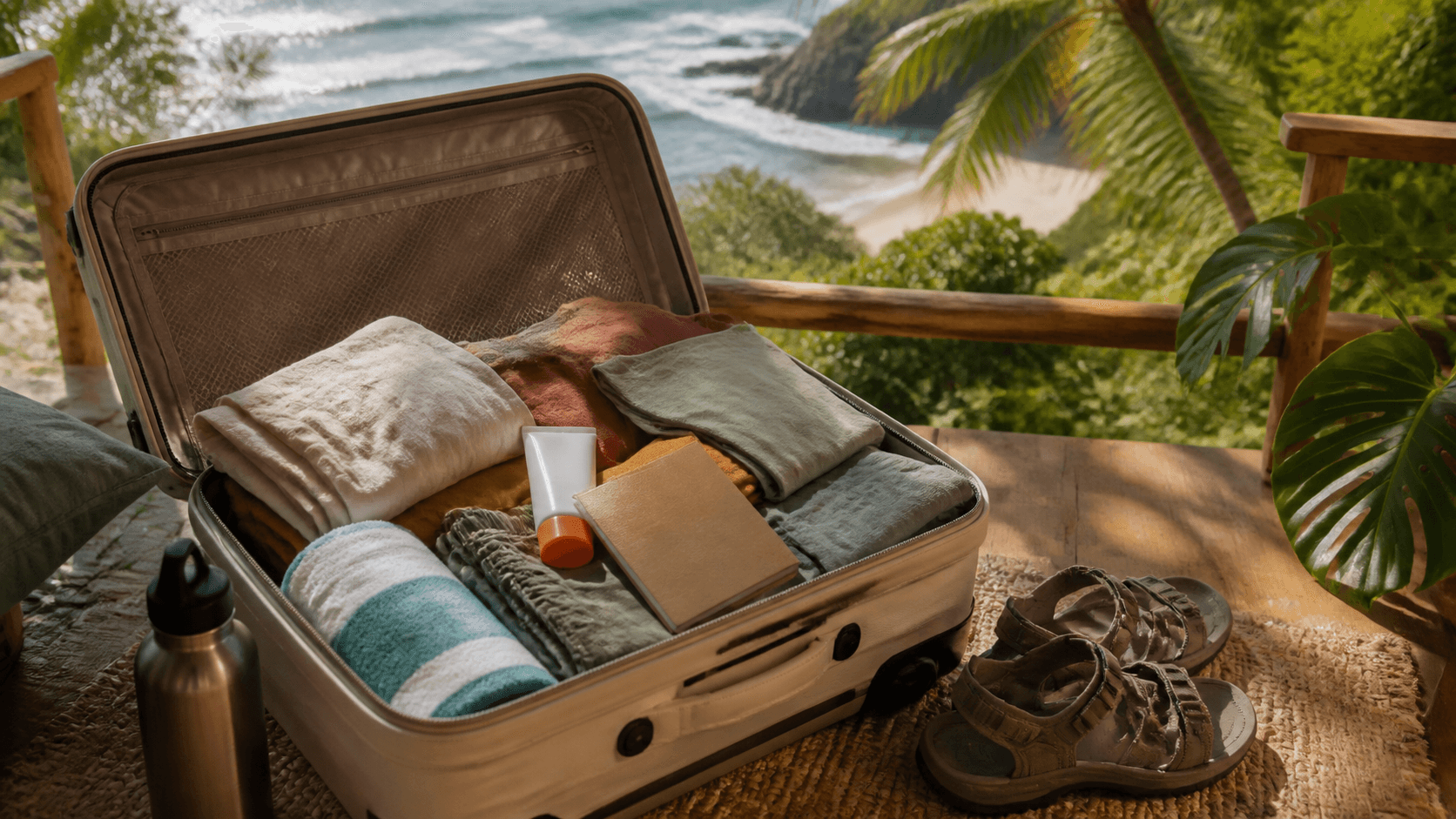
Nosara is popular all year. From June through August, the green season brings some rain, lush scenery, and a slightly slower pace that many students love. To prepare, it helps to pack:
- Light clothes that dry fast
- A notebook and pen for class
- Sandals and comfortable walking shoes
- A reusable water bottle and sun protection
Booking early is smart if you have fixed vacation dates or want to combine your course with surf lessons, yoga, eco-tours, or other activities. Many people like to build a simple immersion plan, such as:
- Morning Spanish classes
- Afternoon surf or yoga
- One or two eco-tours on non-class days
If you feel nervous about being a beginner, traveling solo, or not being "good at languages," you are not alone. In our experience, most students are surprised by how quickly they can start greeting people, ordering food, and asking very simple questions. The goal is not perfect Spanish. The goal is real connection.
Turn Your Next Costa Rica Getaway Into Immersion
A short-term Spanish course in Costa Rica can turn a regular vacation into something deeper. With just a week or two of focused learning, everyday moments shift. You greet neighbors in Spanish on your walk to the beach, order your favorite breakfast without pointing at the menu, and ask a guide a follow-up question that leads to a great story.
At Nosara Spanish Institute, we love seeing travelers move from shyness to simple, honest conversations in Spanish. When you combine relaxed beach town life, friendly teachers, and real-world practice, Costa Rica stops being just a destination you visit. It starts to feel like a place you can understand from the inside.
Start Your Costa Rica Spanish Journey With Confidence
If you are ready to turn your time in Guanacaste into real conversational skills, our short-term Spanish course in Costa Rica is designed for you. At Nosara Spanish Institute, we tailor each program so you can make fast, practical progress that fits your schedule. Reach out through our contact page and we will help you choose the dates, schedule, and level that match your goals.